NL

>

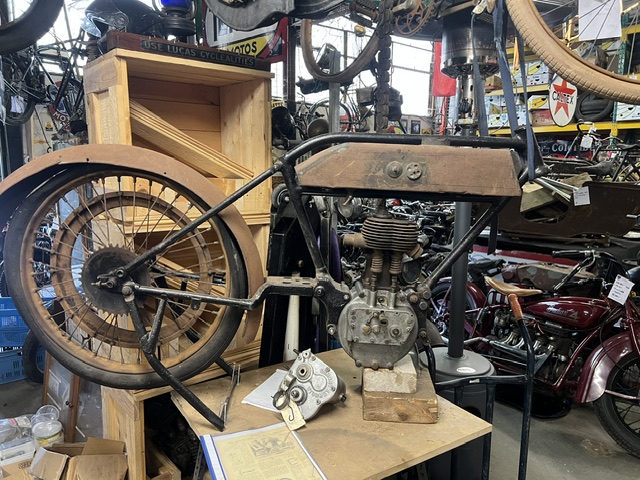
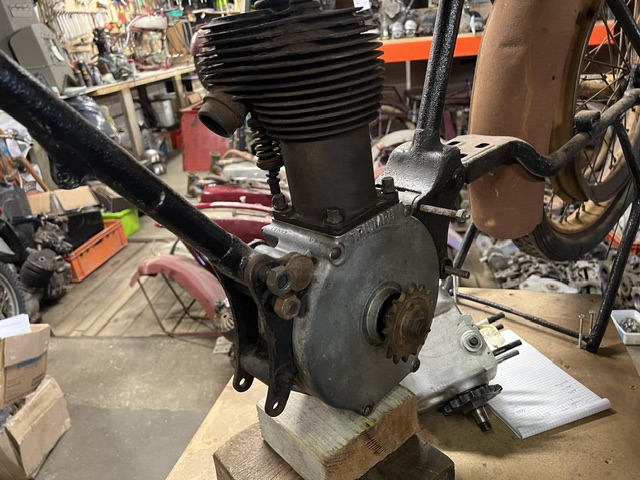
Former factory-built Triumph TT motorcycle, one of six built for the 1921 Senior TT
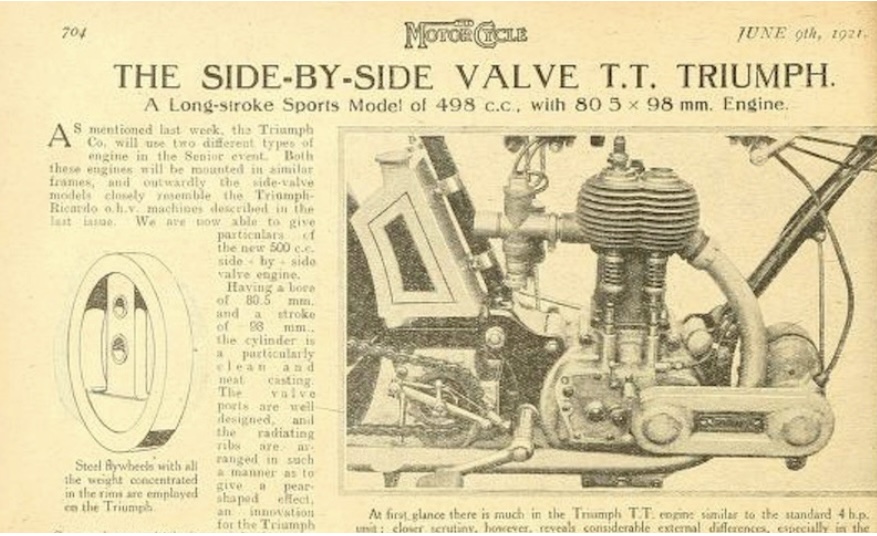
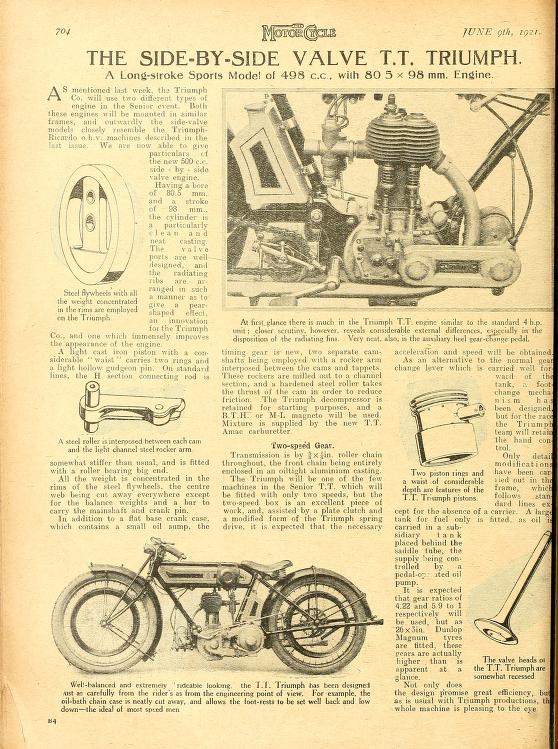
See the article in "The Motor Cycle" dated June 9, 1921, about the Triumph factory racers with side-valve (SV) engines. Of the six Triumphs that finished in the top 20 of the 1921 Senior TT, five were equipped with side-valve (SV) engines. See the results here:
5th #60 Jack Watson-Bourne (SV)
7th #48 Freddie Edmond (SV)
10th #14 Frank Townsend (SV) (see photo)
16th #29 George Shemans on the Ricardo
18th #54 Ray Brand (SV)
19th #27 M.H. Edmonds (SV)
In collaboration with Ricardo, Triumph had built two 4-valve overhead-valve engines for the 1921 Isle of Man TT. Triumph did not have much confidence in the overhead-valve engines and decided to use the Ricardo crankcase to prepare six side-valve engines for the race as well.
What are the unique design features of Triumph's SV factory race bike?
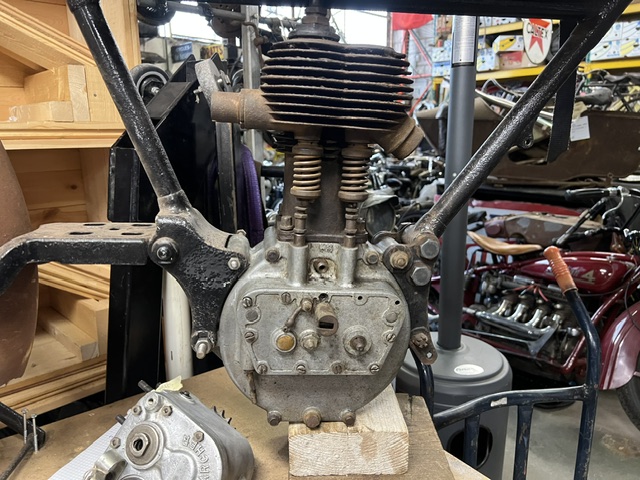
Cylinder bore of 80.5 mm (the same as on this engine)
Flat bottom of the crankcase, which acts as a small crankcase reservoir.
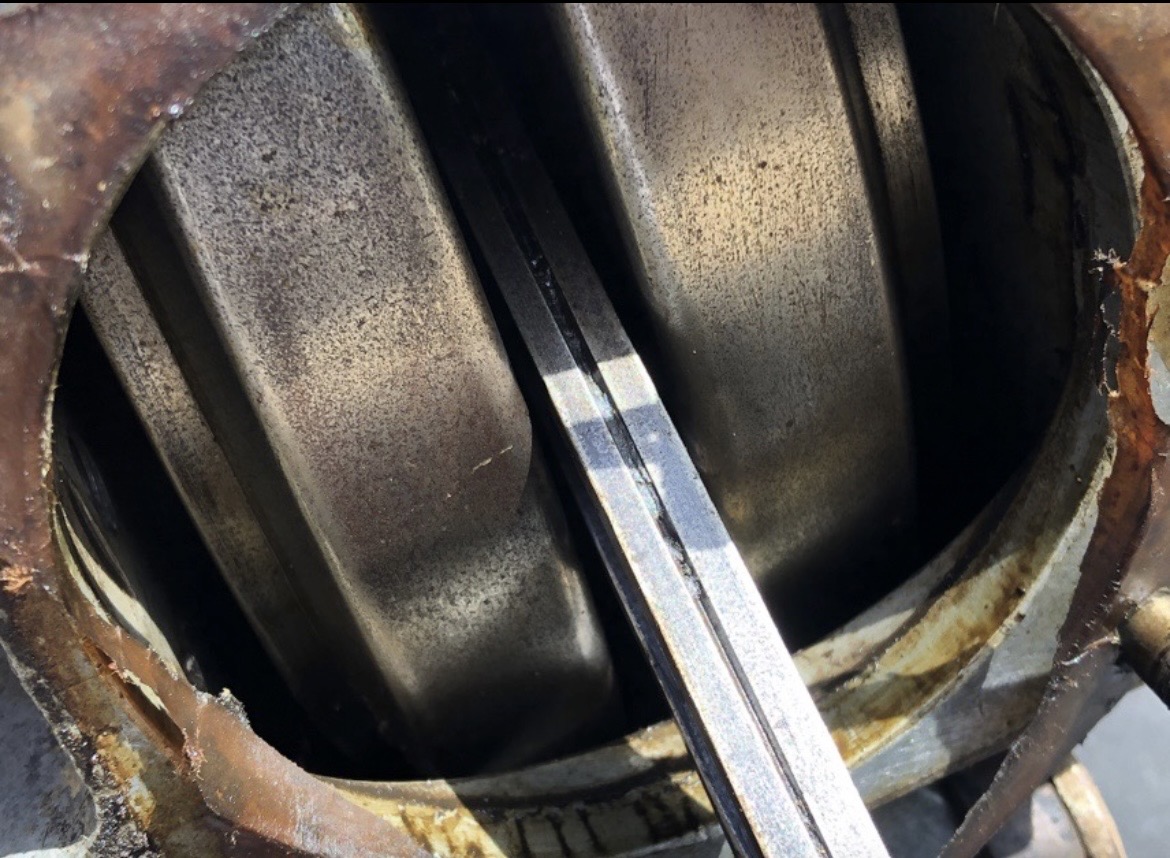
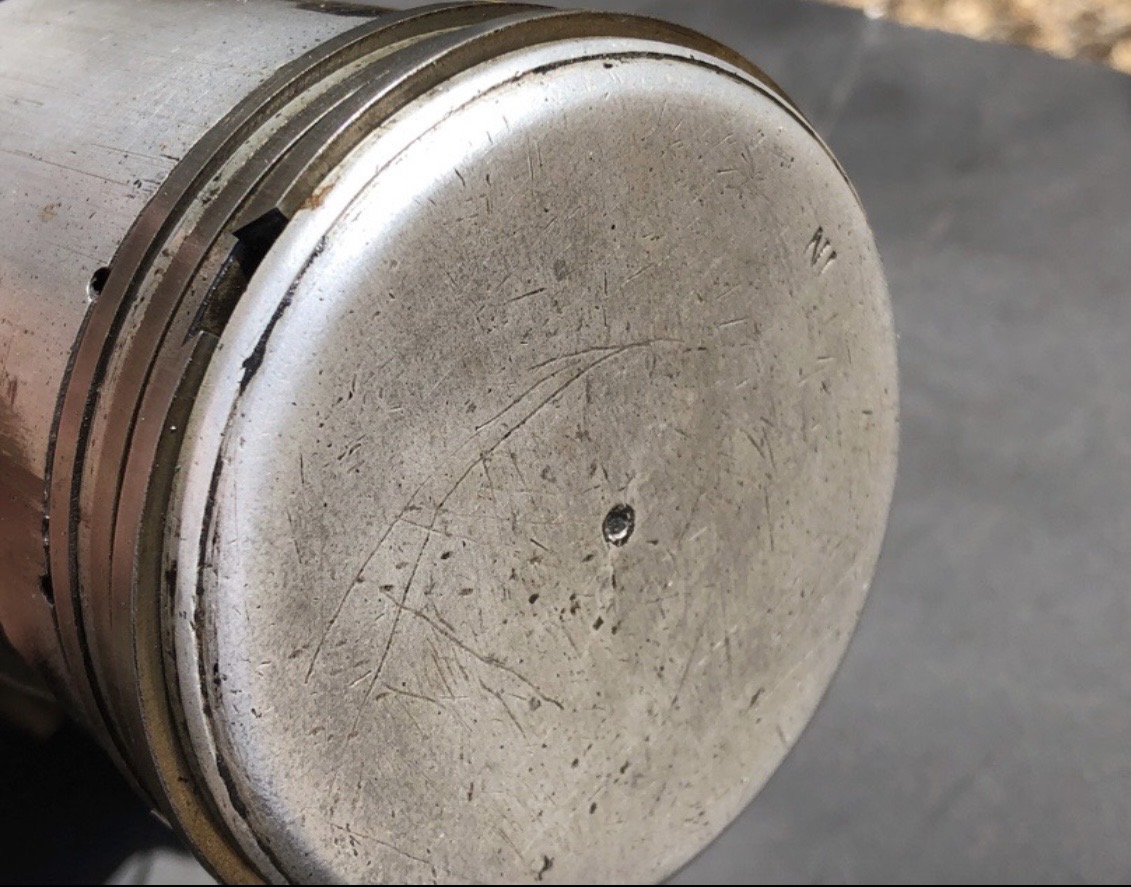
Cast-iron piston with a constricted middle section and two piston rings (this example has an aluminum piston, just like the Ricardo models)
Connecting rod with an H-shaped cross-section and a roller bearing on the crankshaft side (big end), combined with a lightweight, hollow piston pin.
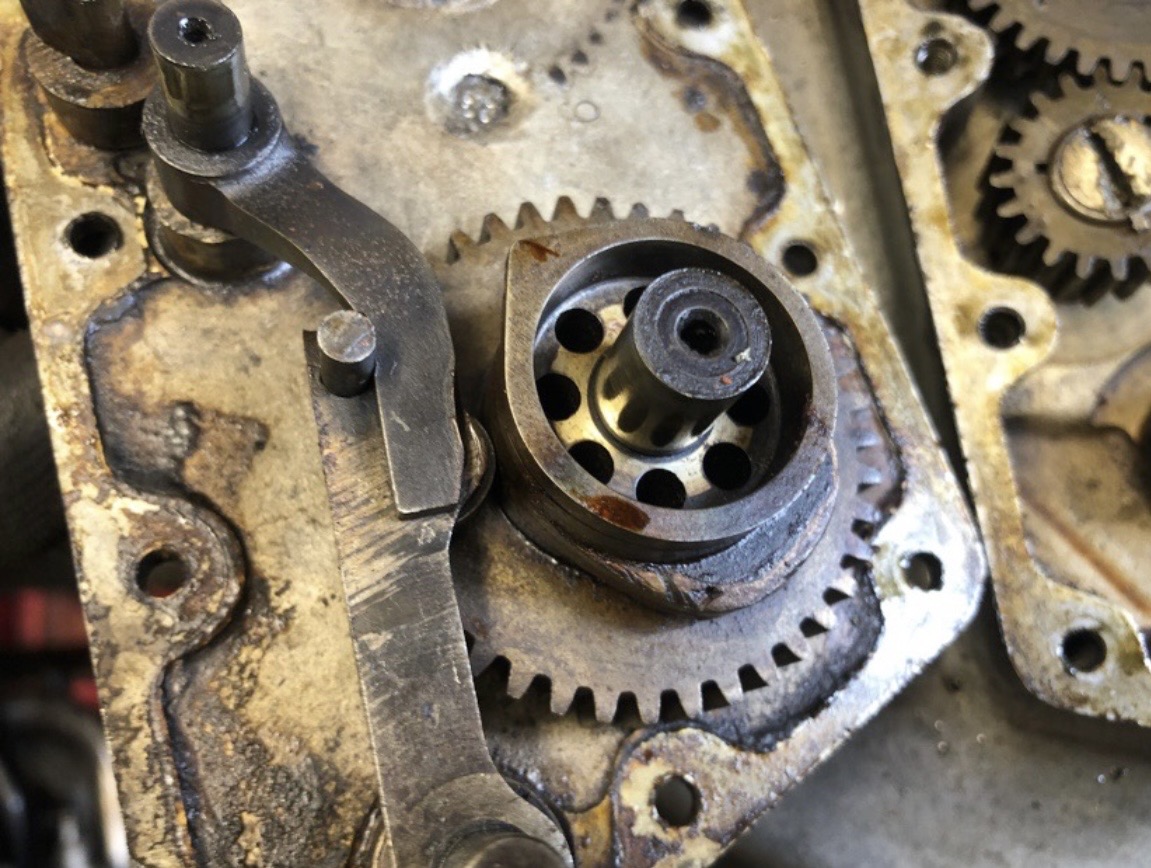
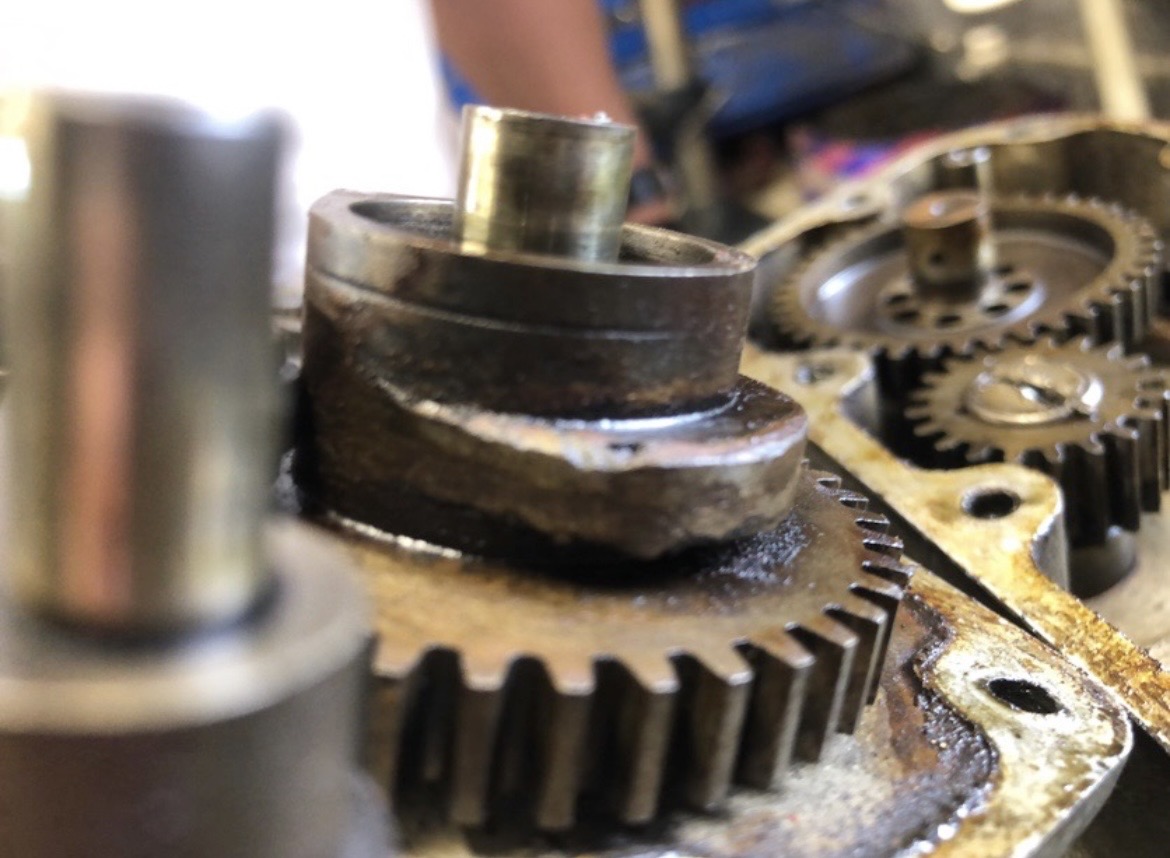
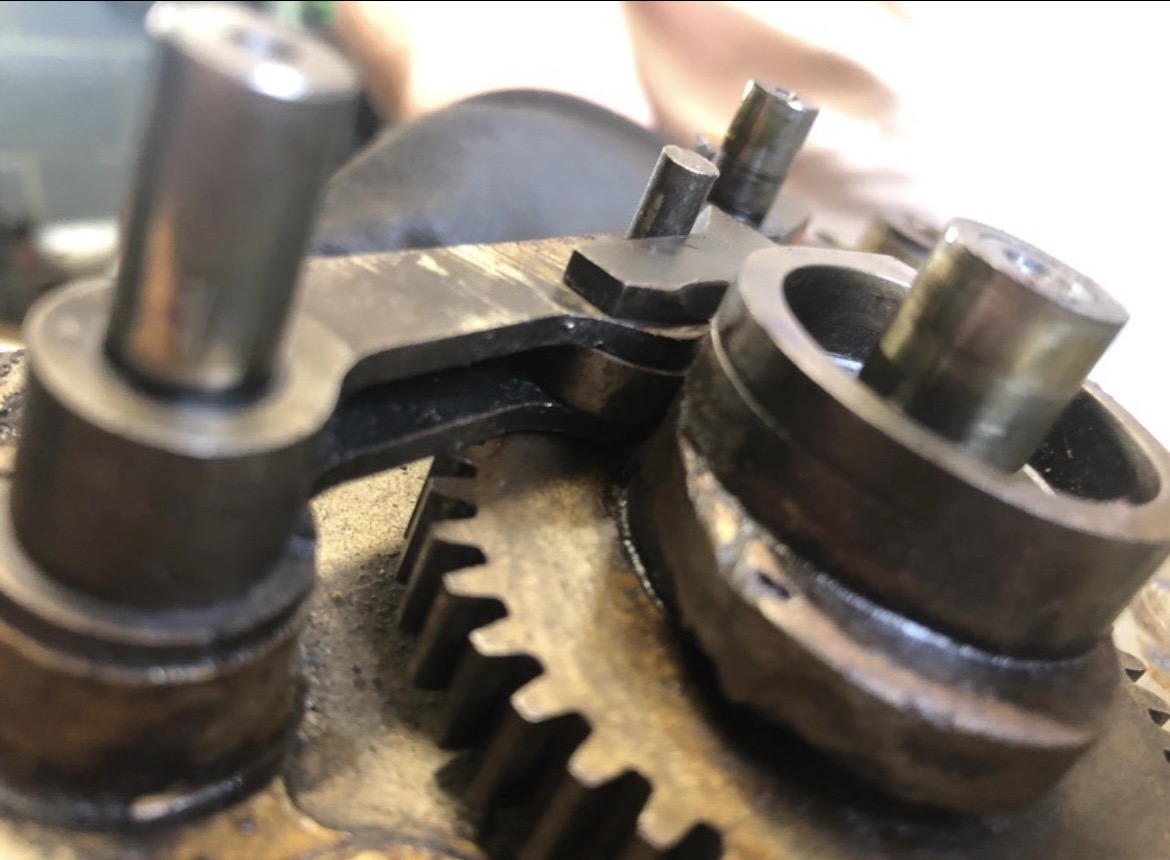
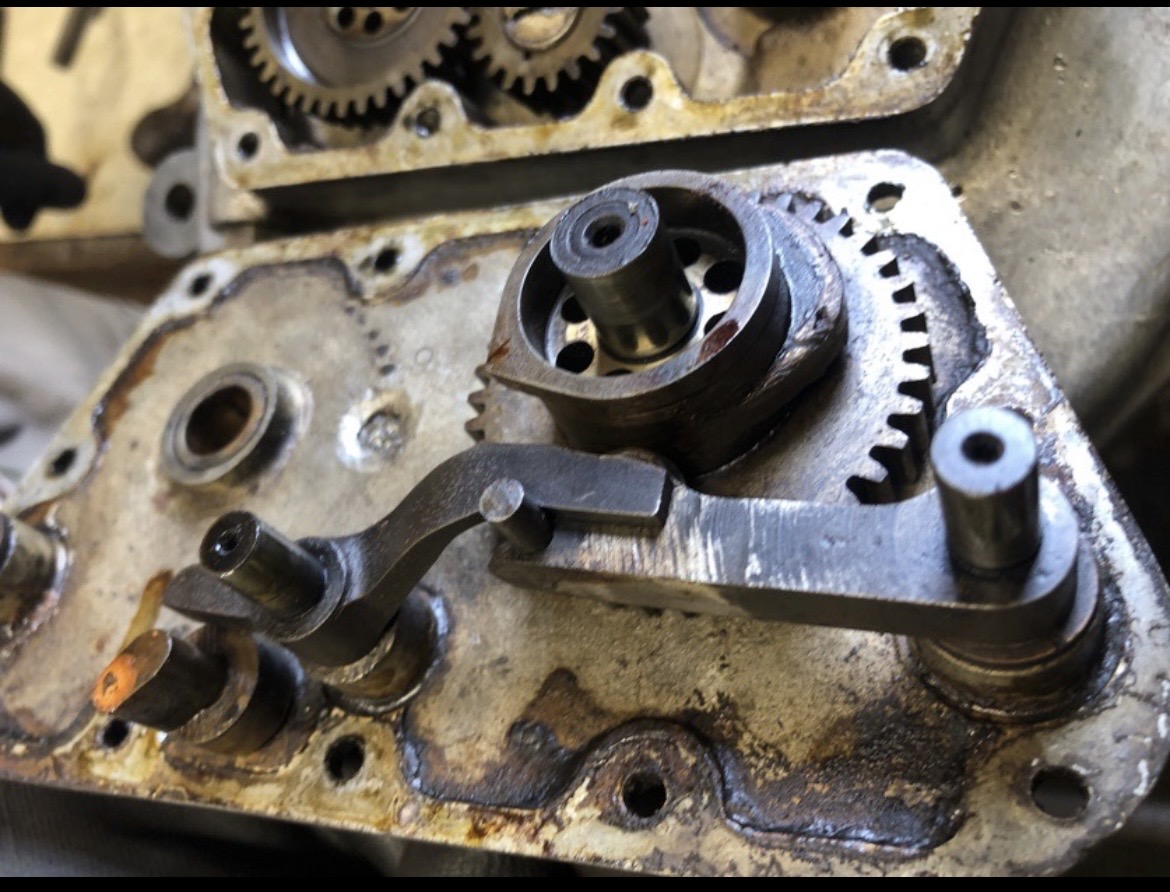
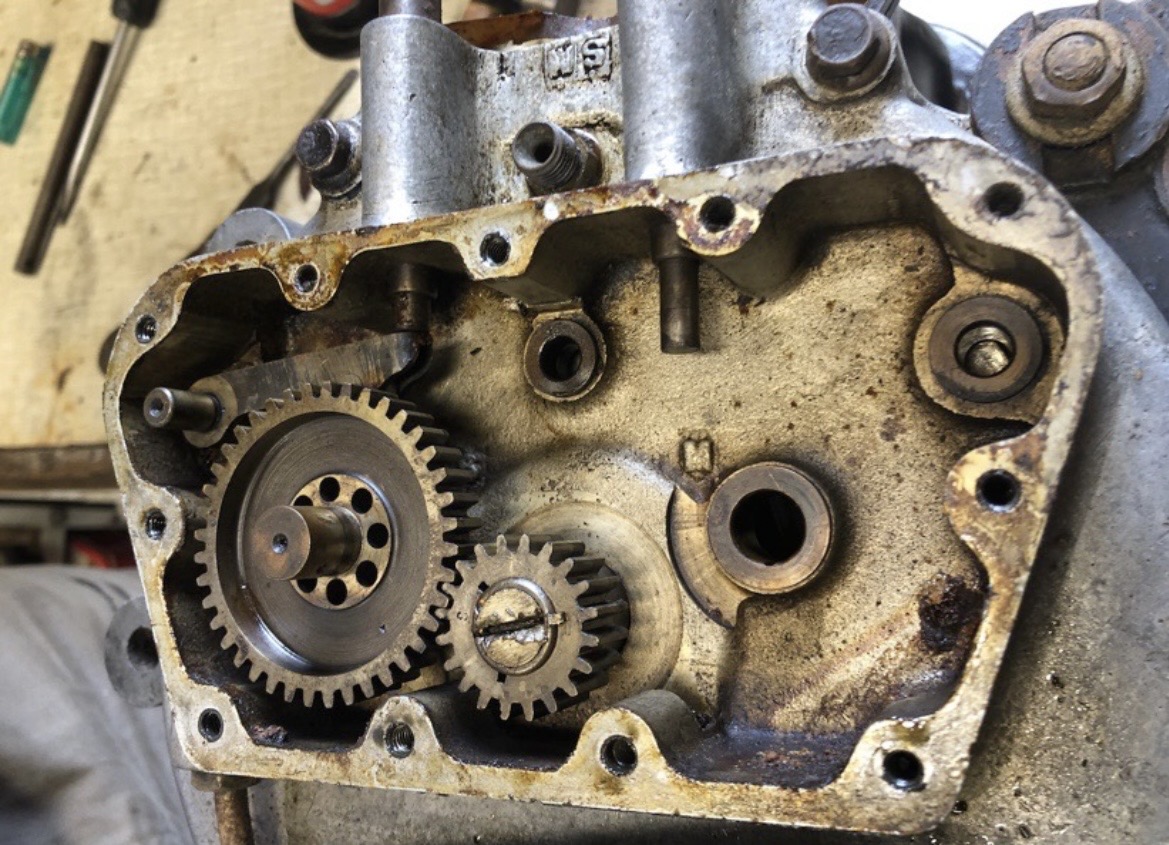
2 separate camshafts with a racing profile. They have also been bored out to reduce weight.
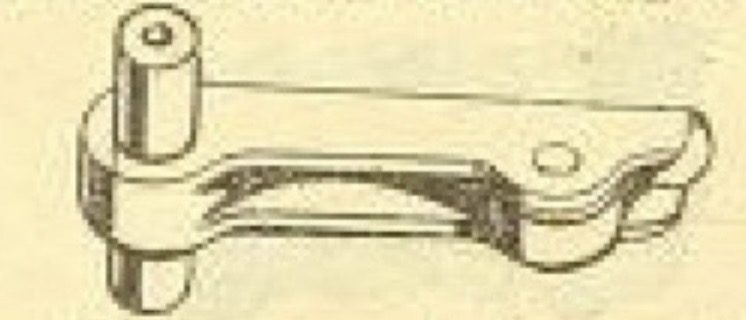
Tumbler milled with a U-shaped profile (channel profile) and hardened steel rollers.
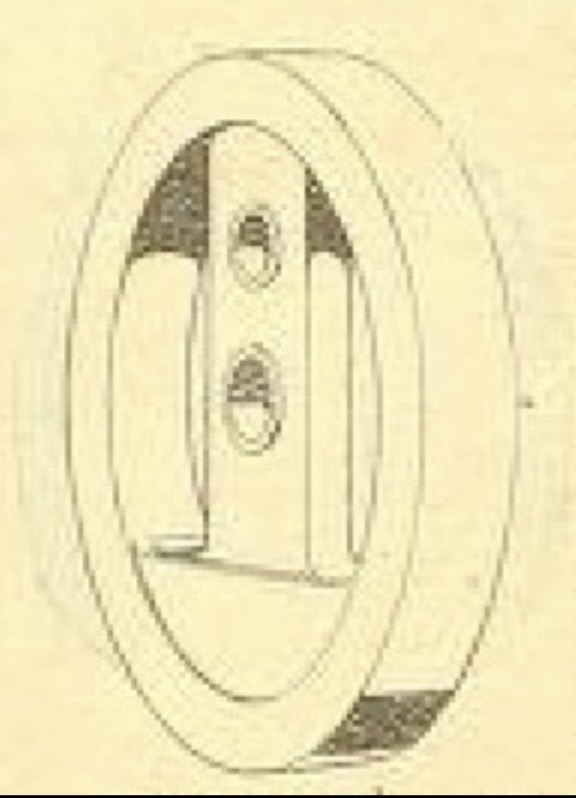
Flywheel with a weight on the outer edge and largely hollowed out in the remaining areas.
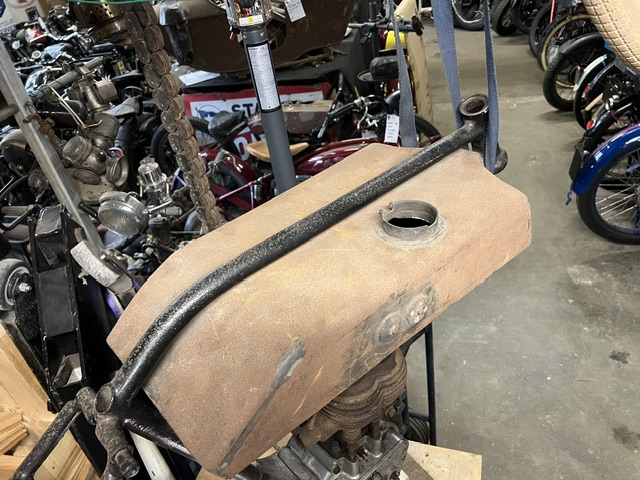
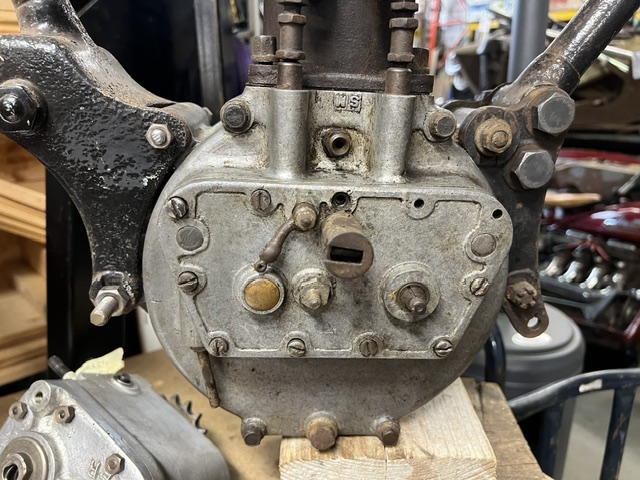
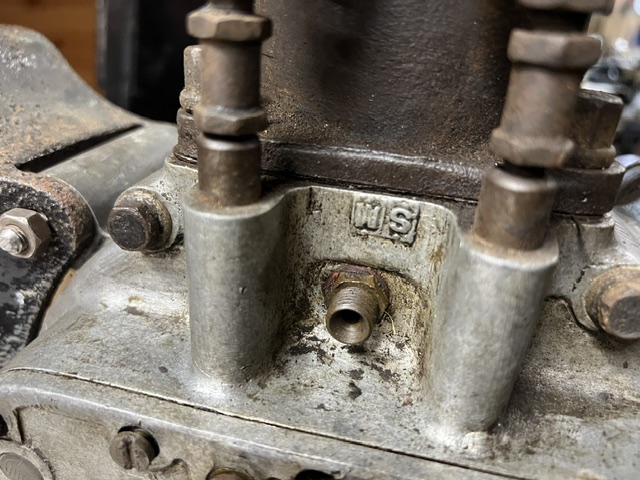
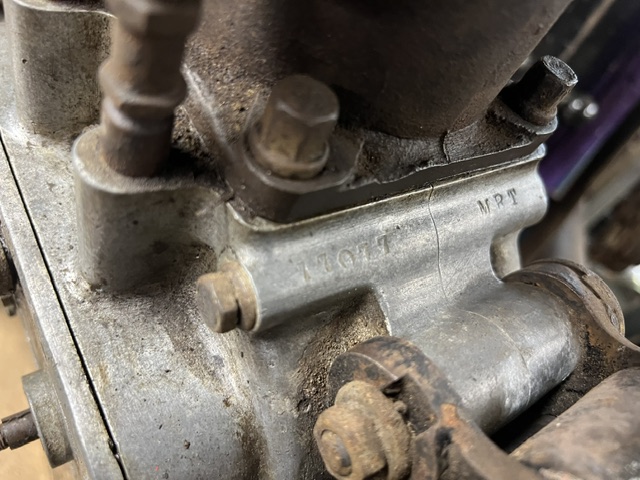
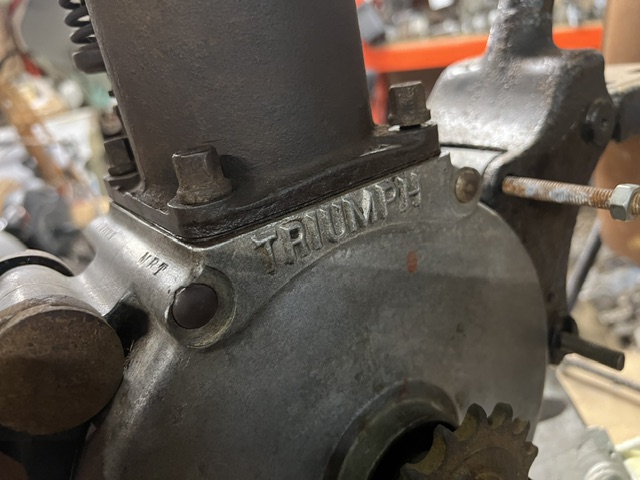
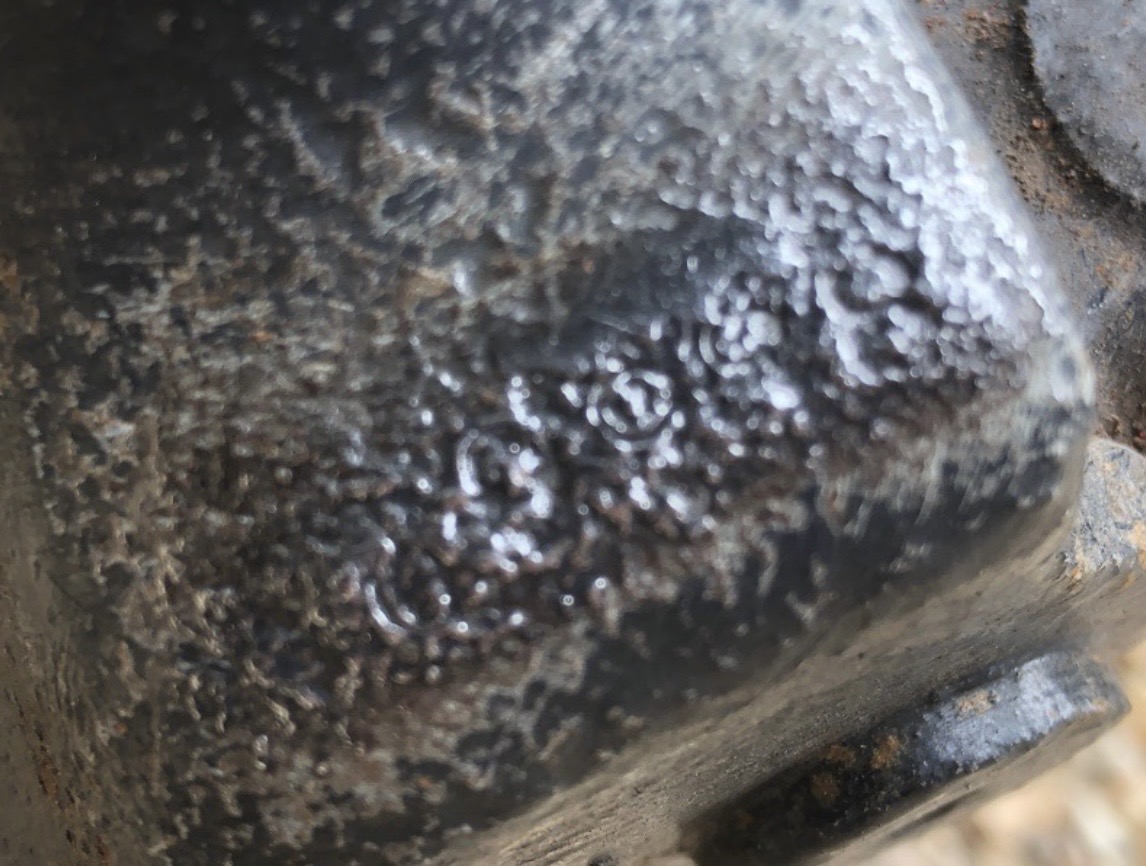
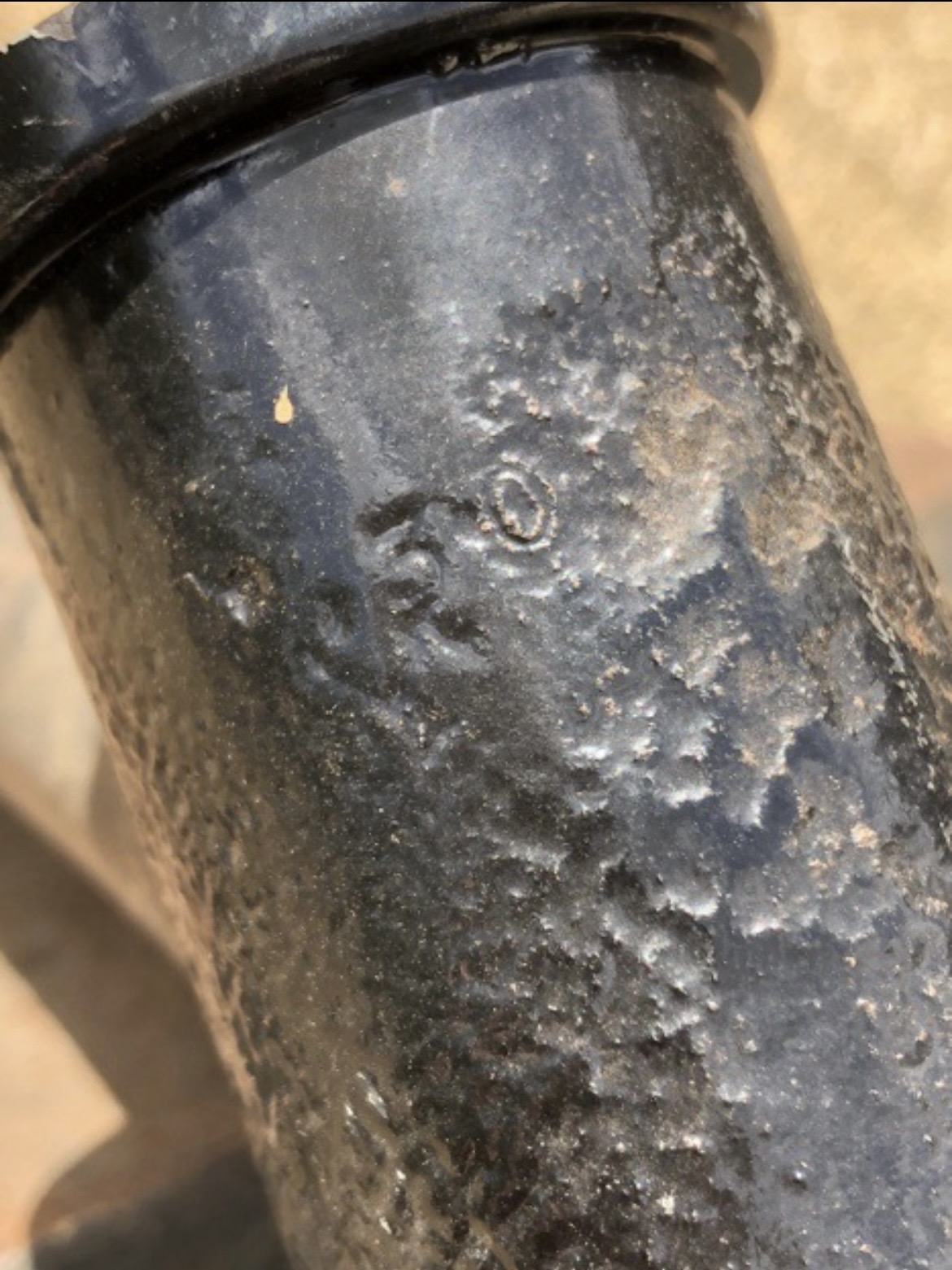
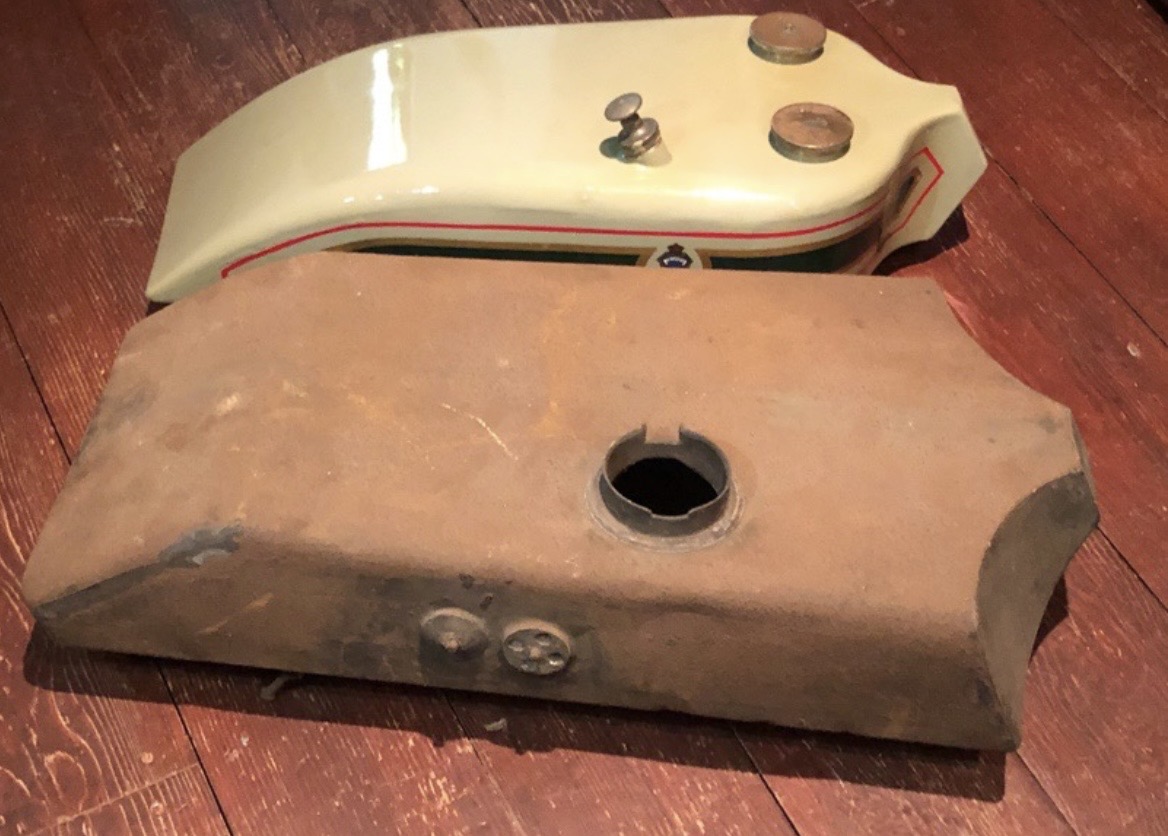
There are a few additional visual features that distinguish this engine from the standard production models. On Triumph motorcycles from this period, the word “TRIUMPH” is cast into the left crankcase half (drive side) in large letters near the drive sprocket. In this case, “TRIUMPH” is cast at the top of the crankcase, closer to the base of the cylinder, where the engine number is normally stamped. It is important to note that the name is cast and not stamped; this indicates that the crankcase halves were actually manufactured by Triumph.The engine number is stamped on the upper engine mounting points, at the front. The numbers likely had to be stamped elsewhere because the usual spot was already occupied by the brand logo. The font of the engine number matches the stamps Triumph used during that period. Additionally, the engine number is 77077 MRT. The suffix “MRT” indicates that this number was stamped in May 1921—just a few weeks before the June 1921 IOM Senior TT. Furthermore, this motorcycle features the large, wide racing fuel tank with a large (quick-release) fuel cap and no oil tank to allow for more space for fuel. There is a separate oil tank under the seat.
I'm currently working on rebuilding this motorcycle and tracking down the missing parts. Not all of the parts are shown in the photo.
Brand:
Triumph
Type:
TT
Year:
1921

Bid
Feel free to contact us for larger photos or more information.